Author

Enzo Health Team
Enzo Health
Details
Read Time: 11 min read
Date: June 12, 2026
AI tools for home health nurses: 7 technologies transforming patient care and documentation
The best AI tools for home health nurses: AI documentation, QA review, remote monitoring, and intake automation that cut charting time and reduce burnout.
Author
Enzo Health Team
Enzo Health
Details
Read Time: 11 min read
Date: June 12, 2026
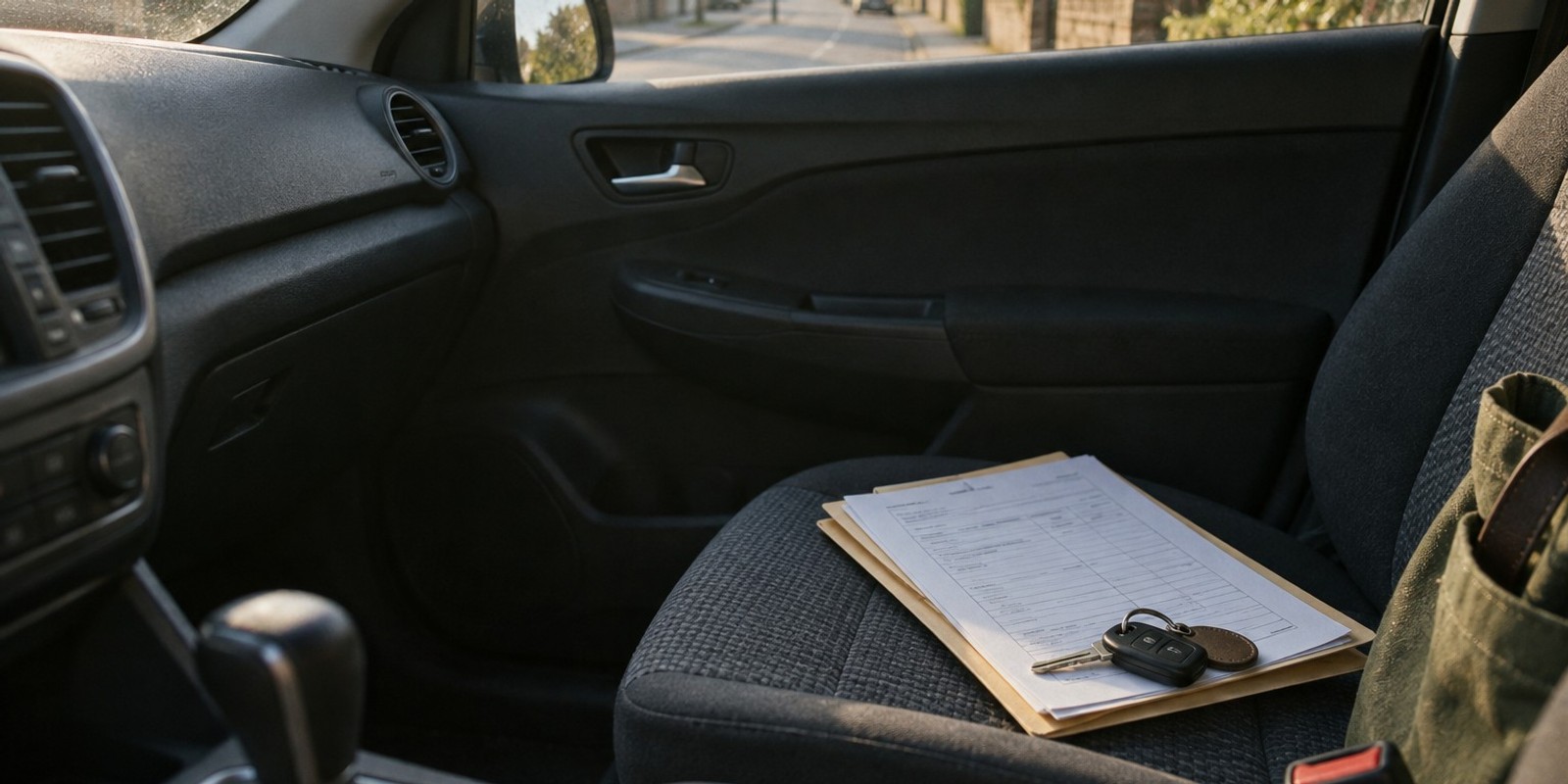
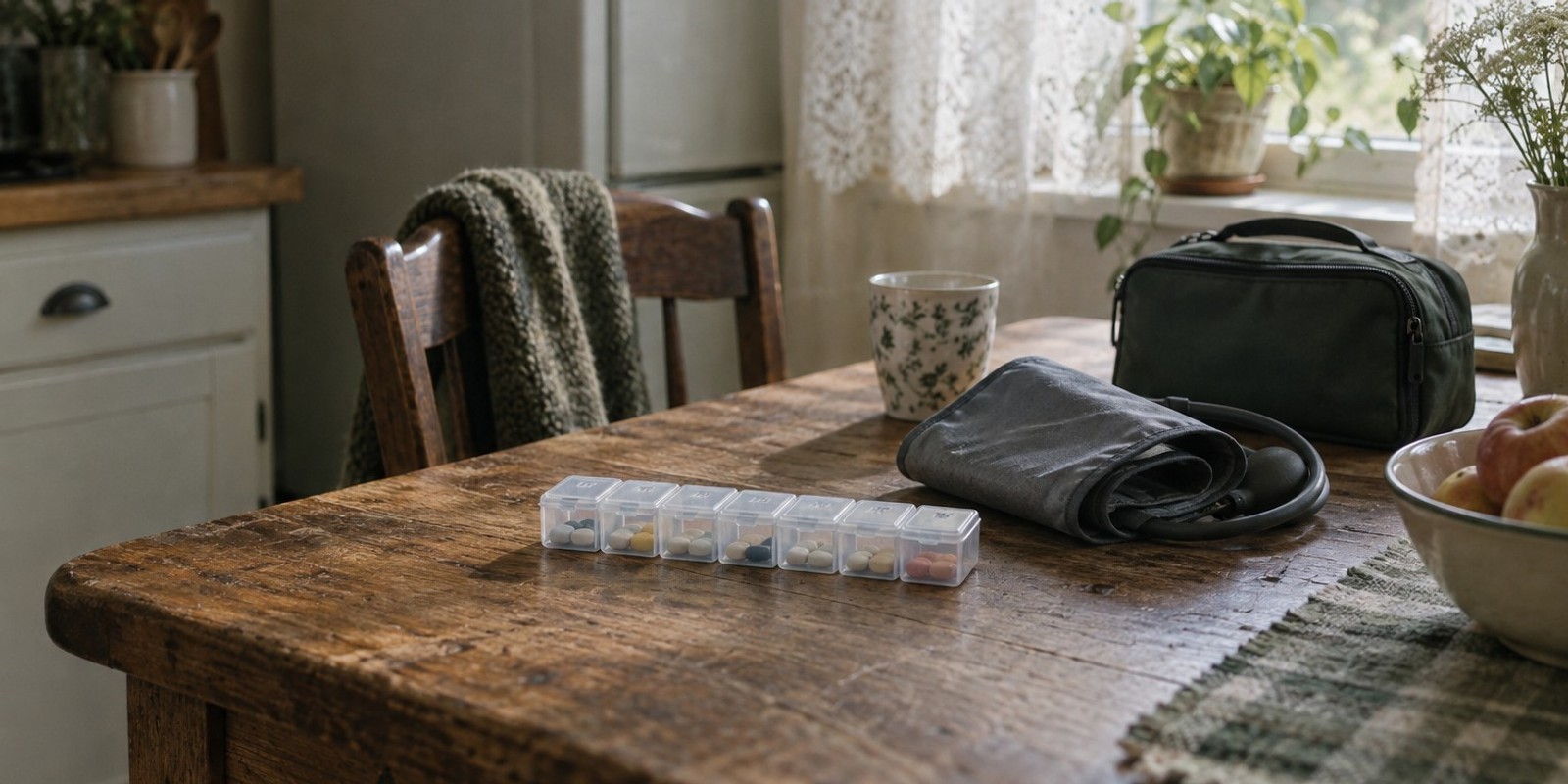
A home health nurse's day has a shape every nurse recognizes: visits until the late afternoon, then the second shift, the one at the kitchen table, where the charting gets done. The OASIS items, the visit notes, the documentation that follows every patient home. AI tools for home health nurses exist to delete that second shift, and the technology has reached the point where the best of them actually do.
This guide covers what AI for home health nurses really means in practice, the seven tool categories worth knowing, how they change daily nursing work, and how to tell tools that remove work from tools that add a new system to learn.
What are AI tools for home health nurses?
Understanding AI in home health
AI tools for home health nurses are systems that produce or review clinical work product rather than just storing it: documentation generated from the visit conversation, charts checked before billing, referral packets read automatically, patient data captured without transcription.
The distinction from traditional software is worth being precise about, because every vendor now claims AI. Traditional home healthcare software is a container: the nurse types, the system stores and validates. An AI tool does some of the producing: the note writes itself from the conversation, the missing M-item gets flagged before sign-off, the intake data arrives already extracted. If a tool's "AI" still leaves the nurse typing the same number of fields, it is a container with better marketing. For the full landscape view, start with our cornerstone guide: what is home health AI.
Why home health nurses are turning to AI
Documentation burden. Home health carries one of the heaviest documentation loads in nursing: the OASIS-E assessment runs to hundreds of items per start of care, on top of visit notes for every encounter, and it determines reimbursement and survey compliance simultaneously.
OASIS complexity. OASIS documentation is a skill with conventions that change, and uncertainty is slow. Second-guessing M-item scoring at 9 PM is where both accuracy and evenings go to die.
Administrative overload. Hunting missing referral information, re-entering demographics, chasing orders: work that is not nursing keeps landing on nurses.
Burnout reduction. "You're always on even when you're off" is how one customer described the rhythm to us. After-hours charting is the part of the job that follows nurses home, and it is among the most common reasons experienced clinicians leave the field. Tools that end it are retention tools, whatever else they are, and they are the reason interest in AI for home health nurses has moved from curiosity to procurement.
7 essential AI tools for home health nurses
1. AI documentation assistants
The category that matters most. AI scribes and voice-to-chart technology listen to the natural visit conversation and generate the clinical documentation in real time: the visit note, the narrative, and in systems built natively for home health, the OASIS itself. Faster chart completion, dramatically less after-hours charting, and documentation accuracy that improves because the chart captures what was said at the bedside rather than what was reconstructed at the kitchen table. The deep dive on how this technology works is in our AI medical documentation guide.
The home health qualifier: a generic medical scribe that produces a narrative note still leaves the OASIS to the nurse. The tools worth evaluating populate the assessment itself.
2. AI quality assurance tools
Documentation review that runs on every chart before billing: missing information detected, inconsistencies flagged, compliance elements checked. For nurses, the felt benefit is fewer bounced charts, because rework on a cold visit is the most demoralizing form of documentation. Our breakdown of common documentation mistakes maps exactly what these tools catch.
3. Remote patient monitoring systems
Remote patient monitoring brings device data (vitals, weights, adherence signals) into the record automatically between visits, creating early intervention opportunities and improving patient outcomes for the right patient populations. The honest scope note: remote monitoring captures data points, not assessments, so its documentation relief is real but narrow. It complements documentation AI rather than substituting for it.
4. Intelligent EHR integrations
Electronic health records integration with intelligence in the seams: referral data carried forward into the SOC, demographics entered once, prior assessments pre-populating what is already known. Less duplicate data entry, faster access to patient information, better care coordination. Nurses feel this as the difference between starting a SOC from a half-built chart versus a blank one.
5. Predictive analytics platforms
Predictive analytics in healthcare identifies readmission risk, flags likely decline, and supports care planning and resource allocation. For field nurses this surfaces as prioritization: which patients need eyes first. Useful, and genuinely secondary: predictive tools pay off after the documentation and data foundations are clean.
6. Patient intake and referral automation
Upstream tools that read referral packets, verify eligibility, and accelerate admissions. Nurses meet this category as preparation quality: complete information before the visit instead of investigation during it. Faster admissions and improved referral conversion are the agency's win; arriving informed is the nurse's.
7. Clinical decision support systems
Evidence-based recommendations surfaced in the documentation workflow: drug interactions, care plan consistency, assessment completeness. The design principle that separates good clinical decision support systems from alert fatigue: the system recommends, the clinician decides, and the recommendations arrive inside the work rather than interrupting it.
How to evaluate home health AI tools
The market is crowded and the labels are identical, so evaluation discipline is what protects an agency from buying a container with better marketing. Five questions separate home health AI tools that remove work from tools that relocate it.
Does it produce the OASIS, or a summary? The single most important question for AI for home health nurses. A narrative note still leaves the assessment, which is most of the documentation, to the nurse. Ask to watch a real OASIS populate during a simulated visit.
What does review burden look like on your patients? Run a pilot week with your own nurses, your own patient mix, your own visit types. Home health AI tools that produce clean output converge on light review; tools that need heavy correction have failed, whatever the demo showed.
Where does the output land? Generated documentation should arrive in the clinical record as structured data, not as a PDF attached to a chart. Integration depth determines how much benefit survives.
What happens to the recording? HIPAA answers in specifics: business associate agreement, data residency, whether your visits train outside models, retention and deletion policies.
Who is it actually built for? AI for home health nurses is a different engineering problem from clinic scribes. Vendors who know what M1800 is will show you; vendors who do not will pivot to vision slides.
Getting started: an adoption path that works
Agencies that adopt home health AI tools successfully tend to follow the same arc, and it starts smaller than most vendors suggest. Begin with documentation, one team, two weeks: the value is visible the first evening a nurse's charting is already done, and visible value is what converts skeptics. Measure before and after: after-hours charting per nurse per week, chart completion lag, QA bounce rate. Expand by workload, not by license count: documentation first, then QA review on every chart, then intake, because each stage hands cleaner inputs to the next, and because AI for home health nurses earns trust one removed workload at a time. And let nurses carry the rollout: the testimony that moves a hesitant clinician is another clinician's evening, not a leadership memo. The agencies where AI for home health nurses sticks are the ones where the nurses would riot if you took it away. One more sequencing note: resist the temptation to launch documentation, QA, and intake simultaneously. Each tool changes a daily habit, and habits change one at a time. Three changes at once reads as chaos to a field team; three changes in sequence reads as momentum.
How AI improves daily nursing work
Faster OASIS documentation. The single largest block of nursing documentation time, generated during the visit instead of typed after it. The manual-side strategies are in our OASIS time guide; AI is the structural one.
Reduced administrative burden. Intake data arrives extracted, demographics carry forward, orders and signatures get tracked by the system instead of by the nurse's memory.
Improved communication. When documentation is complete same-day, the next clinician walks in current. Care coordination improves as a by-product of documentation speed.
Better patient engagement. The laptop between nurse and patient shrinks. Documentation produced from conversation gives the visit back its eye contact, which patients notice and satisfaction scores reflect.
Increased productivity. Nursing productivity measured honestly: same visits, less total time, or more visits, same time. Either way the recovered hours come out of documentation, not out of care.
How Enzo helps home health nurses
Enzo is the first AI native EHR built for home health, the first home health EHR that does the work for you, and the nursing experience is where that design shows up most directly.
Enzo Scribe. The nurse has a natural conversation with the patient and Scribe builds the documentation in real time, the full OASIS included. Charting time drops by up to 75 percent across agencies running Enzo: documentation done in a quarter of the time, finished before the driveway, evenings returned. Less after-hours charting is the headline; the quieter benefit is documentation quality, because the chart describes the visit it came from.
Enzo QA. QA reviews every chart before billing: missing documentation, inconsistencies, compliance elements, coding issues. For nurses that means feedback while the visit is still warm and far fewer charts bounced back cold. For a typical agency it recovers $200 or more per episode.
Enzo Intake. Intake reads referral packets before a coordinator opens them and carries complete information forward, so the nurse walks into the SOC prepared instead of investigating mid-visit. Admission decisions in about 5 minutes instead of over an hour.
Why nurses feel the difference. Less time documenting, more time with patients, fewer repetitive tasks, and compliance support that works for the nurse instead of auditing her. The pieces also run alongside the EHR an agency already has; most nursing teams meet Enzo through Scribe first, because the charting burden is where the pain is.
Common concerns about AI
Will AI replace nurses? No. The care is the job, and the care happens between humans in a living room. AI removes the documentation and administrative wrapper around the care, which is the part nurses never signed up for. The pattern we see repeatedly: the most skeptical clinician becomes the strongest advocate once the first evening of charting disappears.
Is AI HIPAA compliant? It must be, and the burden of proof is the vendor's. Any system handling protected health information needs a business associate agreement, clear answers on where data lives and whether it trains outside models, and defined handling for visit recordings. Treat vague answers as disqualifying.
Can AI be trusted? Trust the design, not the magic: properly built clinical AI produces work for human review, with the nurse signing every chart. Human oversight is the architecture, not a temporary safety measure. The practical trust test is review burden: a tool whose output needs heavy correction has failed the evaluation, whatever its demo looked like.
The future of AI for home health nurses
Voice-based documentation as the default input: the visit conversation is the chart, with typing reserved for edits. Predictive care planning that flags decline before the scheduled visit finds it. Automated administrative workflows where orders, scheduling, and coordination run with nurse approval rather than nurse labor. Real-time clinical insights at the bedside: the patient's trajectory, surfaced during the visit, while it can still change the plan. The direction across all four is the same: the nurse's attention moves toward the patient, and the system absorbs everything else.
Frequently asked questions
Final takeaways
AI for home health nurses is best understood as a subtraction technology: it removes the evening charting, the duplicate entry, the cold rework, the investigation that belongs upstream. Start with documentation, because that is where the hours are. Demand OASIS-native capability, HIPAA compliance, and real EHR integration. And judge AI for home health nurses by one number: how much of the nurse's evening it gives back. The agencies that get this right do not just chart faster. They become the agency nurses tell other nurses about.
Email me updates like this
Get more helpful content like this from Enzo straight into your inbox
From Resources
Related Articles
Loading posts...

Stop Charting After Hours
Enzo Scribe writes the visit note from the visit. Clinicians cut documentation time by 75%.